Last updated September 24, 2026
New windows and doors improve comfort, cut energy bills and add long-term value to your home. Sightline Windows & Doors Lauderdale Lakes pairs proven product lines with our own installing crews for lasting performance - and a price we put in writing.
1. Choose your installer
The unit is half the job - the install is the other half. Our own background-checked crews measure, set, seal and insulate every opening, and they know the lines we quote inside and out because they install them every week.
2. Select the right products
Compare styles, materials and glass packages side by side until the fit is right for your rooms, your budget and your goals. The product-line comparison below is the place to start.
3. Prepare your home for install
Before install day we walk you through a short checklist - furniture pulled back, treatments down, a clear path to each opening - so install day is watch-it-happen, not scramble.
Compare the Lines We Quote
Every project is priced on the same lines, side by side - the price indicators below are relative, and your consultant shows exact numbers on your actual openings.
PGTThe line Florida homeowners arrive naming - the most Miami-Dade certifications in the industry$$$
- More Miami-Dade NOA certifications than any other line we quote
- WinGuard, EnergyVue and ClassicVue Max systems built for every wind zone
- 99% on-time delivery keeps your install date on the calendar
CGIThe heavyweight impact line$$$$$
- Large-missile impact ratings for the strictest wind zones
- Architectural-grade aluminum with commercial-depth frames
- The line we quote when protection is the whole point
CWSThe Florida value pick$$
- Vinyl systems built in Florida for Florida codes
- Strong energy packages at the friendliest price point
- The smart start for whole-home replacements on a budget
ESWSlim lines, big glass$$$$
- Narrow-sightline aluminum for modern elevations
- Oversized openings and floor-to-ceiling glass
- Impact-rated without the bunker look
ECOThe aluminum impact workhorse$$$
- Miami-built aluminum impact systems
- A strong price-to-protection ratio for coastal homes
- Proven inventory lines with short lead times
Window Installation Maintenance Checklist for Lauderdale Lakes Homeowners
A failed weep hole - a 3mm slot that costs nothing to clear - is the single most common cause of water intrusion complaints in impact window installations across South Florida, yet it appears on almost no published maintenance checklist. In Lauderdale Lakes, where the Atlantic hurricane season runs June through November and afternoon thunderstorms deliver 60+ inches of annual rainfall, window maintenance isn’t a calendar ritual. It’s a weather-driven discipline. This guide gives you inspection intervals tied to actual storm events, pass-fail criteria you can verify with a flashlight and your fingernail, and documentation standards that match what insurance adjusters expect to see. For more guides & resources, visit our blog.
Quick Answer

Lauderdale Lakes homeowners should inspect windows twice yearly: once in April before hurricane season, and again within 48 hours after any named storm or wind event exceeding 50 mph. Each inspection covers five zones - weep holes, sealant beads, hardware torque, glazing integrity, and frame condition - with specific pass-fail thresholds. Document everything with dated photos; this record protects your warranty and supports any insurance claim.
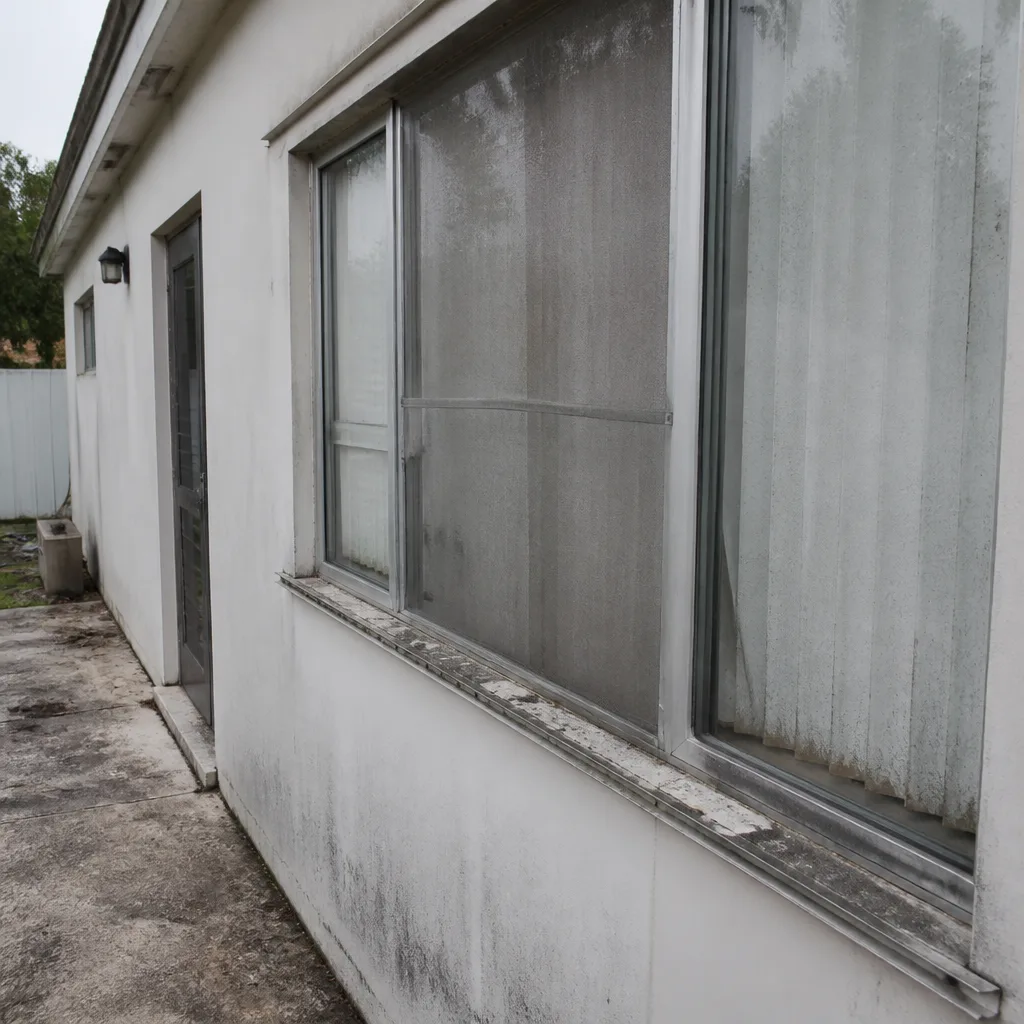 Before
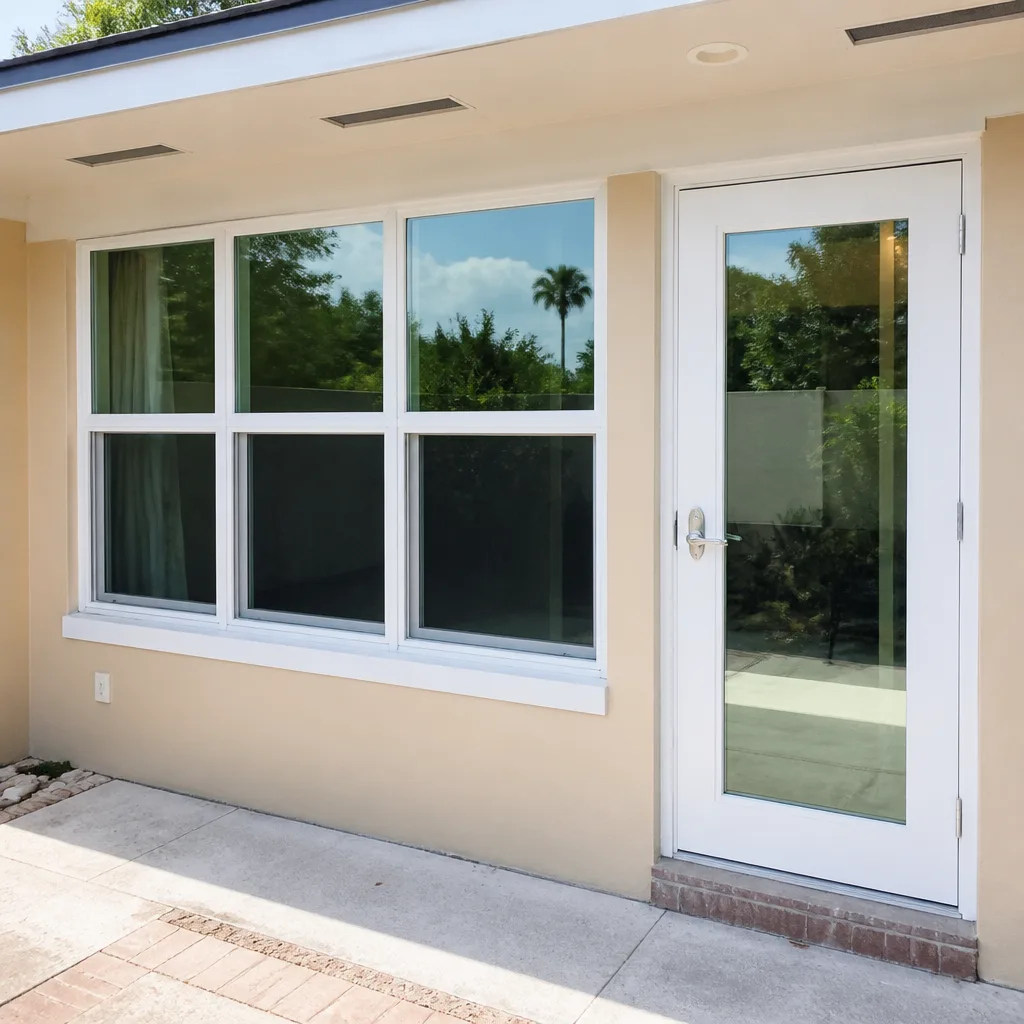 After
AfterTable of Contents
- The Pre-Season Inspection: April Checklist for Hurricane Readiness
- Post-Storm Inspection: What to Check After 50+ MPH Winds
- Weep Hole Maintenance: The 3mm Slot That Saves Your Wall
- Sealant Grades and Thermal Expansion: Why the Wrong Silicone Voids Your Warranty
- Frame Oxidation vs. Frame Failure: The Fingernail Test
- Hardware Torque and Glazing Bead Inspection
- Documentation Standards for Insurance and Warranty Claims
- Common Mistakes to Avoid
- When to Call a Professional
- Frequently Asked Questions
The Pre-Season Inspection: April Checklist for Hurricane Readiness

Every April in Lauderdale Lakes, the same pattern repeats: homeowners board up or deploy shutters, then discover their windows leak the first time a tropical wave stalls overhead. The failure started months earlier, in sealant that cracked during a January cold snap or weep holes clogged with pollen from the winter dry season.
We schedule our pre-season inspections for the third week of April, after the last reliable cold front passes and before the first tropical waves organize off Cape Verde. Here’s the sequence we follow on every window installation in Lauderdale Lakes that has passed its first anniversary:
- Sealant probe test. Run a plastic coffee stirrer (not metal, which scratches) along every exterior sealant joint between frame and wall. The stirrer should meet resistance; if it slides in more than 3mm, the sealant has lost adhesion. Mark the location with painter’s tape. A proper joint in Lauderdale Lakes’s climate should show continuous contact for the full bead width, typically 3/8 inch for residential installations.
- Hardware torque check. Using a torque screwdriver set to manufacturer spec - usually 45 in-lb for standard casement operators, 65 in-lb for impact-rated multi-point locks - verify every fastener. In our experience across Broward County, hardware loosens 15-20% from spec within 18 months of installation due to thermal cycling. Loose hardware doesn’t just rattle; it transfers wind load unevenly to the frame corners, where cracks initiate.
- Glazing bead inspection. The vinyl or rubber strip that retains the glass should sit flush with no visible gaps. Press along its length with thumb pressure; it should not depress more than 1/16 inch. Any bead that lifts under light pressure has hardened and lost its grip. On impact-rated units from manufacturers like ES Windows or ECO Window Systems, a failed glazing bead compromises the entire missile-impact certification.
- Operational test. Open, close, and lock every operable sash. It should move without binding and lock with single-hand effort. Binding indicates frame racking, which in Lauderdale Lakes usually means the structure has settled or the original installation shim pack has compressed.
- Weep hole verification. See the dedicated section below; this gets its own protocol because it’s that consequential.
Pass-fail is binary. Any item that fails gets documented, dated, and scheduled for correction before June 1. We give our customers the photo record and the written scope; they keep both alongside their insurance documents.
Post-Storm Inspection: What to Check After 50+ MPH Winds
The 48 hours after a named storm or any wind event exceeding 50 mph sustained is your inspection window. Wait longer, and you lose the ability to attribute damage to the storm event, which matters for both warranty claims and insurance.
We’ve responded to hundreds of post-storm calls across Lauderdale Lakes and surrounding Broward municipalities. The pattern is consistent: the damage visible from the street is rarely the damage that causes the six-month-later leak. Here’s the inspection sequence:
- Exterior perimeter walk. Stand 10 feet from each window face. Look for sealant that has extruded from the joint (wind pressure can pump un-cured sealant out), glazing beads that have shifted position, and frame corners that no longer align at 90 degrees. Photo each elevation from the same spot you use for your annual home inventory.
- Interior water check. Run your hand along the interior sill and jamb after the storm passes, while humidity is still elevated. Any dampness, even slight coolness, indicates a breach. Mark the spot with painter’s tape and photo it with a ruler in frame for scale.
- Hardware function test. Wind load can deform locking points. Cycle every lock three times; it should engage with the same resistance as before the storm. Any grinding, catching, or reduced travel distance indicates misalignment.
- Glazing stress indicators. Check for new condensation patterns between panes, which indicate seal failure, and for chips at the glass edge that weren’t present before. Edge chips on impact-rated units from lines like Mr-Glass or Therma-Tru can propagate under the next load cycle.
- Frame fastener check. On installations with exposed frame screws (common on older retrofits in the Lauderdale Lakes area), verify none have backed out. A backed-out fastener creates a leak path and reduces the frame’s wind-load capacity.
Document every finding with a photo that includes a date stamp and your house number visible. Insurance adjusters in Florida are trained to reject undated or undescribed photos. We provide our customers with a photo log template that matches the format used by major carriers writing policies in Broward County.
Weep Hole Maintenance: The 3mm Slot That Saves Your Wall
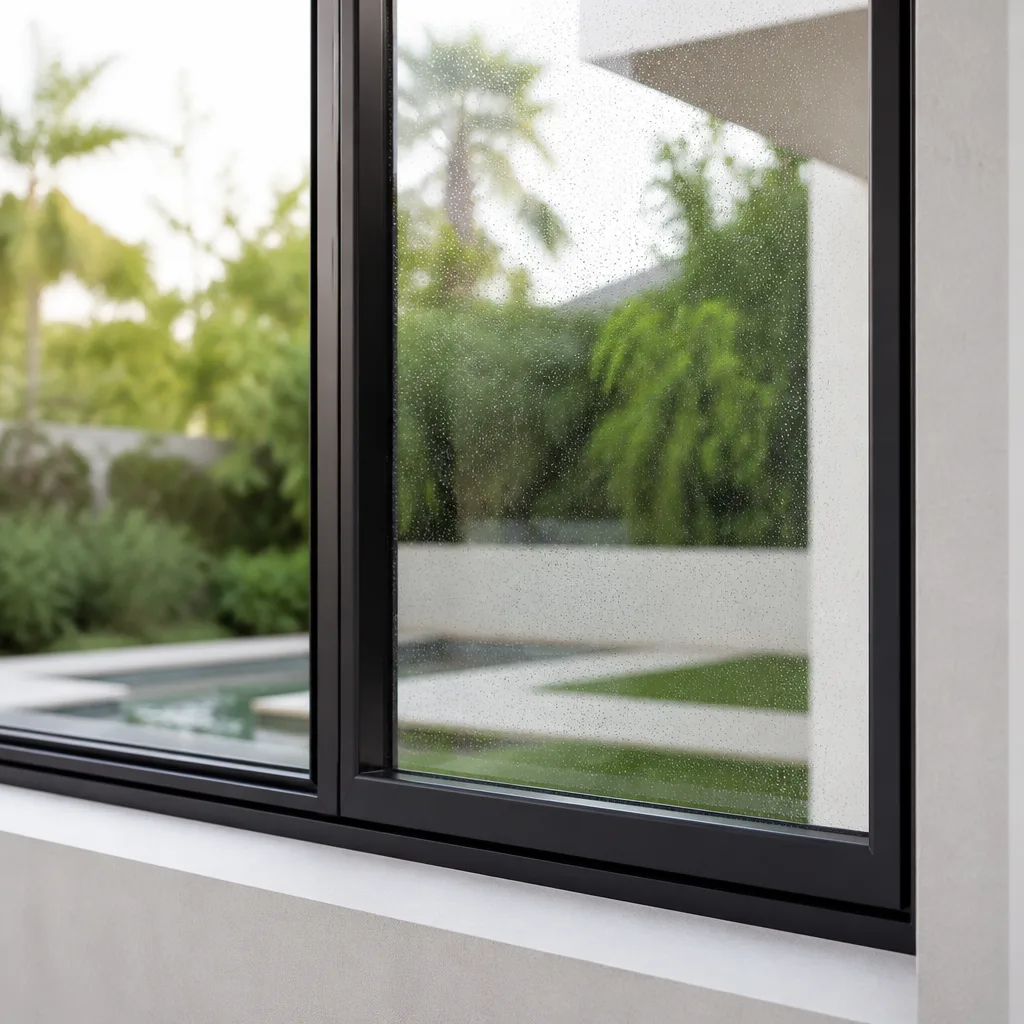
The weep hole is a small opening, typically 3-5mm wide, drilled through the exterior sill or frame bottom to drain water that penetrates the glazing pocket. In South Florida’s humidity, it clogs with pollen, insect debris, and salt crust from coastal air. When blocked, water backs up into the wall cavity. We’ve opened walls in Lauderdale Lakes homes where the sole plate was rotted completely through, all from a weep hole clogged with a single gecko egg case.
Location varies by manufacturer. On PGT and CGI frames common in this market, weep holes are on the exterior face of the sill, spaced 24 inches on center. On CWS and ES Windows products, they’re on the bottom edge of the frame, visible only when the sash is open. Check your installation documentation; if you don’t have it, a flashlight and kneeling on the exterior side will locate them.
Clearing method:
- Use a pipe cleaner or zip tie, not a wire or screwdriver that enlarges the opening
- Work from the exterior inward, never the reverse, to avoid pushing debris deeper
- Flush with a cup of fresh water; it should drain freely onto the ground, not pool
- Verify the internal baffle (a small flap that blocks wind-driven rain) still moves freely
Schedule: twice yearly in Lauderdale Lakes - mid-April and mid-October. The April clearing removes winter accumulation before storm season; October clears the summer debris load before the dry season, when blocked weep holes are less likely to reveal themselves through active leaking.
Sealant Grades and Thermal Expansion: Why the Wrong Silicone Voids Your Warranty
Lauderdale Lakes experiences a 40°F annual temperature swing, from occasional January lows near 50°F to August highs touching 92°F. Aluminum window frames expand and contract with this range at a different rate than the stucco or concrete block they’re mounted to. The sealant between them must accommodate this differential movement without tearing loose.
There are two relevant grades of silicone sealant:
- Low-modulus silicone: Shore A hardness of 15-25, elongation at break of 400-600%. This is the correct grade for perimeter sealing of window frames in South Florida. It moves with the frame, doesn’t transmit stress to the bond line, and remains flexible at temperature extremes.
- High-modulus silicone: Shore A hardness of 35-50, elongation at break of 200-350%. This is for structural glazing applications where rigidity matters, not for perimeter sealing. It tears away from the substrate under thermal cycling in our climate range.
Here’s the warranty issue: every major manufacturer - PGT, CGI, CWS, ES Windows, ECO Window Systems - specifies low-modulus silicone for perimeter sealing in their installation manuals. Use high-modulus, or use a non-silicone product like polyurethane that degrades in UV, and the manufacturer can void the frame warranty for “improper installation,” even if the installer was a different contractor years earlier.
How to verify what’s on your windows: press a fingernail into the sealant. Low-modulus indents easily and feels rubbery; high-modulus resists indentation and feels more like a rubber eraser. If you’re uncertain, we provide free sealant identification as part of any window replacement consultation in Lauderdale Lakes.
Frame Oxidation vs. Frame Failure: The Fingernail Test

Aluminum frames in coastal Florida develop surface oxidation - chalking, in trade terms - that alarms homeowners but is usually cosmetic. The harder problem is distinguishing this benign surface film from structural corrosion that compromises the frame’s load capacity.
The fingernail test, performed in direct sunlight with a flashlight:
- Locate the suspect area. Pay attention to frame bottoms, corners where water collects, and any spot where the factory finish has been scratched or abraded. In Lauderdale Lakes, we see accelerated oxidation on south and west elevations where UV exposure is highest.
- Scratch lightly with a fingernail. Cosmetic chalking transfers to your nail as a white or gray powder but leaves the underlying metal smooth and bright. Structural corrosion feels rough or pitted beneath the powder, and the metal surface shows uneven texture or color variation.
- Check frame wall thickness. With a flashlight at a low angle, examine the frame edge where the sash meets the frame. Corrosion thins the wall from the inside; you’ll see light through spots that should be opaque, or the wall will flex under light finger pressure.
Cosmetic chalking can be cleaned with a mild acid wash and re-coated. Structural corrosion requires frame replacement; patching or painting over it conceals a failure that will progress. We’ve replaced frames in Lauderdale Lakes homes where the corrosion had reduced wall thickness by 40% before the homeowner noticed operation problems.
The door installations we perform in Lauderdale Lakes use the same aluminum alloys and finish systems; the same inspection criteria apply to patio door frames and sliding door tracks.
Hardware Torque and Glazing Bead Inspection
Hardware maintenance is where most DIY checklists stop at “oil the hinges.” For impact-rated windows in a hurricane zone, that’s insufficient. The multi-point locking systems on modern impact units generate clamping force across the sash; if that force degrades, the sash seal loses compression and water intrusion follows.
Torque verification requires a torque screwdriver, available for $25-40 at hardware stores. Manufacturer specs vary:
- Casement operators: 45-55 in-lb
- Single-hung tilt latches: 20-30 in-lb
- Multi-point mortise locks (impact-rated): 60-75 in-lb
Check each fastener in the lock mechanism. If any turn before the torque screwdriver clicks, tighten to spec and mark with a paint pen for next inspection. If a fastener strips or won’t hold torque, the threaded insert has failed; this requires hardware replacement, not repeated tightening.
Glazing bead inspection uses the same 1/16-inch depression standard noted in the pre-season section. On geometric or custom shapes - circles, trapezoids, eyebrows - the bead experiences higher stress at radius points and requires more frequent inspection. ViewLux custom units, which we specify for architectural openings in Lauderdale Lakes’s mid-century modern homes, include reinforced beads at these stress concentrators; verify the reinforcement is still seated.
Documentation Standards for Insurance and Warranty Claims
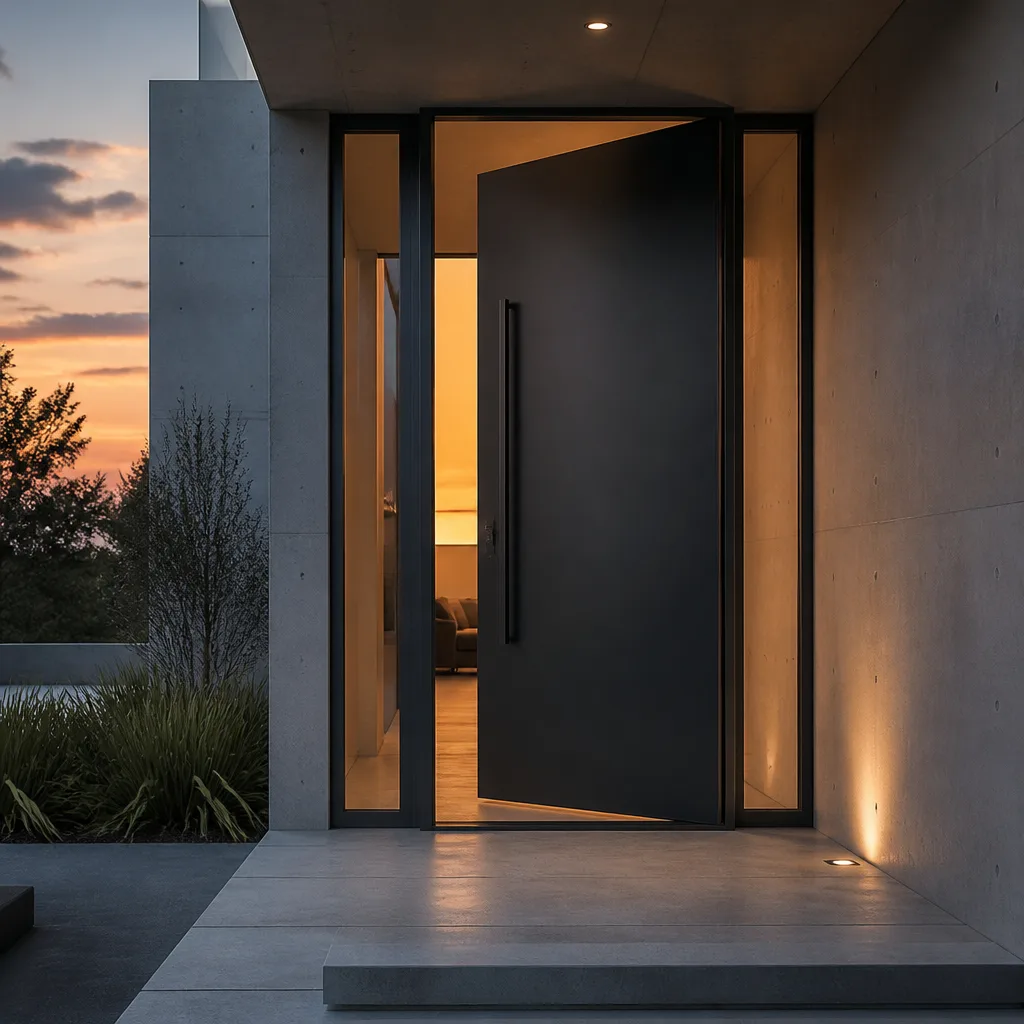
Documentation is evidence, and evidence has standards. The Haven Standard’s Clause 4 - Evidence on every job - governs how we document our installations, and the same principles apply to your maintenance records.
Each inspection should produce:
- Dated photos of each window elevation, with the house number visible or a dated newspaper in frame
- A written log noting pass/fail for each inspection point, with locations described by room and compass orientation (“master bedroom, east elevation, center window”)
- Close-up photos of any failure, with a ruler or coin for scale
- Records of any corrective action, including product specifications for sealants or hardware replaced
Store these digitally with cloud backup; physical records don’t survive the mold risk in Lauderdale Lakes’s humidity. For insurance purposes, Florida statute requires policyholders to document damage with “reasonable specificity.” Our photo log template, which we provide to any homeowner who requests it, meets this standard and has been accepted by adjusters writing for the major carriers in Broward County.
The Sightline Windows & Doors Lauderdale Lakes home page includes our documentation standards for new installations; maintenance records should meet the same threshold.
Common Mistakes to Avoid
- Using a pressure washer on window frames. The 2,000+ PSI stream drives water past seals and into weep holes with enough force to damage internal baffles. Use a garden hose with a gentle spray nozzle instead.
- Applying car wax or paste wax to aluminum frames. These products contain abrasives and petroleum distillates that degrade the factory fluoropolymer finish. The chalking returns faster, and the warranty is voided for “improper maintenance.”
- Caulking over old sealant without removal. New silicone won’t bond to cured silicone; the repair fails within one thermal cycle. Remove the old bead entirely, clean with mineral spirits, and apply fresh low-modulus product.
- Ignoring minor condensation between panes. Even a fog spot the size of a quarter indicates seal failure. The inert gas has escaped, the thermal performance is compromised, and the structural integrity of the insulated glass unit degrades from the edge inward.
- Waiting for visible water damage to inspect. By the time drywall stains appear, the wall cavity has been wet through multiple storm cycles. The inspection schedule prevents this; the emergency call funds the repair.
- Using generic hardware lubricant on multi-point locks. These mechanisms require dry lubricants or light machine oil; WD-40 and similar products attract dust that abrades precision components.
- Assuming impact-rated windows are maintenance-free. The impact certification tests a single event under laboratory conditions. Repeated thermal cycling, salt exposure, and operational wear degrade the same components - seals, hardware, glazing beads - as on non-impact units.
When to Call a Professional
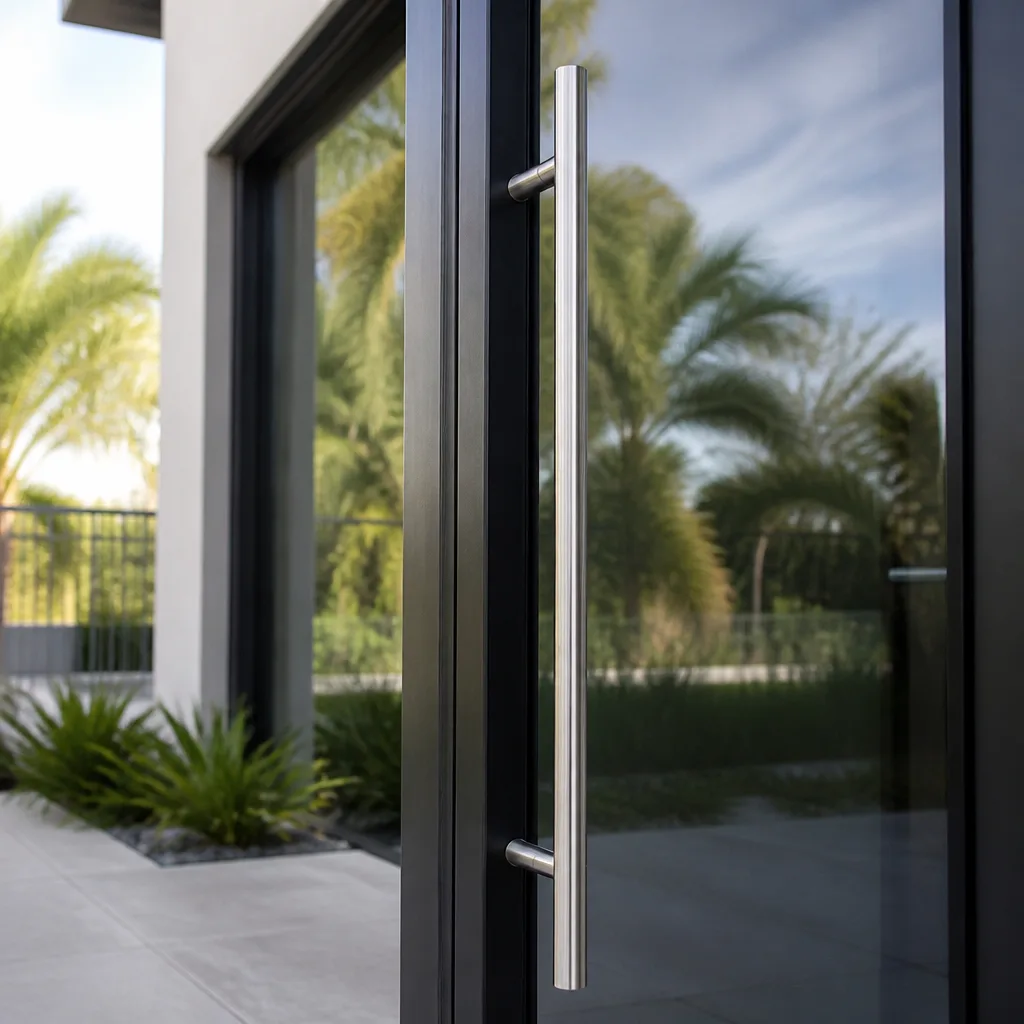
Some conditions exceed homeowner maintenance scope. Call a licensed window contractor if you find frame corrosion that penetrates the wall, glazing bead failure on impact-rated units, hardware that won’t hold torque, or any water intrusion you cannot trace to a clear source. In Lauderdale Lakes, where the Building Department enforces the Florida Building Code’s wind-borne debris provisions, modifications to impact-rated assemblies also require permit verification; see Windows & Doors Permits, Codes & Inspections in FL: What You Need to Know for details.
Sightline Windows & Doors Lauderdale Lakes offers free estimates in Lauderdale Lakes - call (754) 240-8381. We’ll review your maintenance records, perform the inspection points you haven’t, and give you a written scope with prices before any our Window Installation services work begins. Our 365-Day Done Right Promise applies to every correction we make.
Frequently Asked Questions
A professional inspection and tune-up for a typical single-family home in Lauderdale Lakes runs $180-$340, with multi-point lock adjustments and sealant touch-ups priced separately by linear foot. Call (754) 240-8381 for an exact quote - estimates are free, and we review competitor written estimates at no charge under our Free Second Opinion policy.
Twice yearly: a full pre-season inspection in April, and a post-storm inspection within 48 hours after any named storm or wind event exceeding 50 mph. The April inspection prevents storm-season failures; the post-storm inspection catches damage while it’s attributable and before it propagates.
At Sightline, the written price before work starts and the final invoice are the same document - Haven Clause 1, in writing since 2012. If we find conditions that change scope during work, we stop, document, and obtain written approval before continuing. No change orders without prior agreement.
Pure maintenance - cleaning, hardware adjustment, sealant touch-up - does not require permitting in Lauderdale Lakes. Replacement of glazing beads, hardware, or sealant on impact-rated units may require documentation that the repair maintains the original product approval; we handle this verification and any required permitting as part of our scope.
The impact rating applies to the specific assembly as installed, not to the frame alone. If the glazing bead, hardware, or sealant has been modified or has degraded, the assembly may no longer meet its original Miami-Dade or Florida Product Approval. We verify this against the original approval documentation during our inspection; if you don’t have your paperwork, we can research the product approval number from manufacturer markings on the frame.
The manufacturer warranty covers defects in materials and workmanship of the product itself. Our 365-Day Done Right Promise, written into the Haven Standard, covers our installation and any maintenance or correction we perform - if it’s not done right, we make it right, regardless of whether the issue traces to product or installation. The two protections operate in parallel; we handle the determination so you don’t have to coordinate between parties.
Homeowners can handle weep hole clearing, basic cleaning, and the inspection sequence described in this guide. Torque verification, sealant replacement, and any work on impact-rated assemblies should involve a licensed contractor who can verify that the repair maintains code compliance and manufacturer warranty terms. In Lauderdale Lakes, where wind-borne debris requirements apply to most residential zones, the consequences of an improper repair extend beyond the single window to the home’s insurance insurability.
The Bottom Line
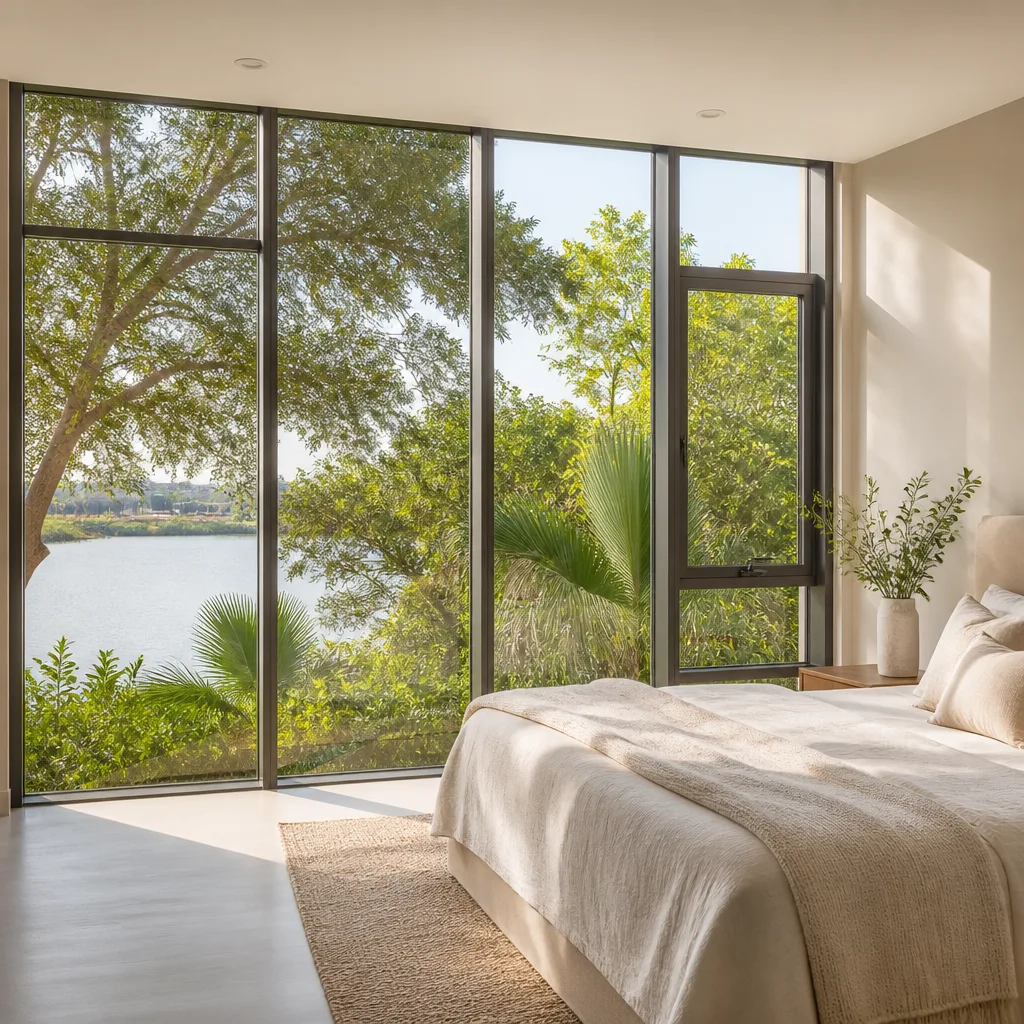
Window maintenance in Lauderdale Lakes is not a seasonal chore; it’s a storm-preparedness discipline tied to specific weather events and verified with documented evidence. For Windows & Doors Cost Breakdown: The Lauderdale Lakes Homeowner’s Reference for 2026, see our detailed guide. The five inspection zones - weep holes, sealant, hardware, glazing beads, and frame condition - each have pass-fail criteria you can check with basic tools. Use the right silicone grade, clear weep holes twice yearly, and document everything with dated photos. The cost of prevention is measured in hours; the cost of failure is measured in wall reconstruction and insurance deductibles.
Written by Sonia Raman, Owner at Sightline Windows & Doors Lauderdale Lakes, serving Lauderdale Lakes since 2012.
Six Reasons Homeowners Choose Sightline Windows & Doors Lauderdale Lakes
Impact systems engineered to design pressures up to +/-100, matched to your wind zone - your openings hold when the storm arrives.
Low-E insulated impact glass from our manufacturer lines commonly cuts monthly cooling bills 20-30%.
Laminated impact glass shuts out up to 40% of outside noise - traffic, neighbors, weather.
Monitoring services run $30-90 a month. Laminated impact glass resists forced entry around the clock, with no subscription.
Florida homeowners average around 25% savings on the windstorm portion of their policy after protecting every opening - some homes qualify for more.
A full impact package upgrades curb appeal, buyer confidence and appraised value in one project.
Other Sightline Windows & Doors Lauderdale Lakes Services