Last updated September 24, 2026
New windows and doors improve comfort, cut energy bills and add long-term value to your home. Sightline Windows & Doors Lauderdale Lakes pairs proven product lines with our own installing crews for lasting performance - and a price we put in writing.
1. Choose your installer
The unit is half the job - the install is the other half. Our own background-checked crews measure, set, seal and insulate every opening, and they know the lines we quote inside and out because they install them every week.
2. Select the right products
Compare styles, materials and glass packages side by side until the fit is right for your rooms, your budget and your goals. The product-line comparison below is the place to start.
3. Prepare your home for install
Before install day we walk you through a short checklist - furniture pulled back, treatments down, a clear path to each opening - so install day is watch-it-happen, not scramble.
Compare the Lines We Quote
Every project is priced on the same lines, side by side - the price indicators below are relative, and your consultant shows exact numbers on your actual openings.
PGTThe line Florida homeowners arrive naming - the most Miami-Dade certifications in the industry$$$
- More Miami-Dade NOA certifications than any other line we quote
- WinGuard, EnergyVue and ClassicVue Max systems built for every wind zone
- 99% on-time delivery keeps your install date on the calendar
CGIThe heavyweight impact line$$$$$
- Large-missile impact ratings for the strictest wind zones
- Architectural-grade aluminum with commercial-depth frames
- The line we quote when protection is the whole point
CWSThe Florida value pick$$
- Vinyl systems built in Florida for Florida codes
- Strong energy packages at the friendliest price point
- The smart start for whole-home replacements on a budget
ESWSlim lines, big glass$$$$
- Narrow-sightline aluminum for modern elevations
- Oversized openings and floor-to-ceiling glass
- Impact-rated without the bunker look
ECOThe aluminum impact workhorse$$$
- Miami-built aluminum impact systems
- A strong price-to-protection ratio for coastal homes
- Proven inventory lines with short lead times
Windows & Doors Permits, Codes & Inspections in FL: What You Need to Know
In Florida, installing a window without a permit doesn’t just risk a fine - it can void your homeowner’s insurance coverage for wind damage, a fact buried in most policy riders that adjusters cite when denying storm claims. We’ve pulled permits for thousands of openings across Broward County since 2012, and the gap between what homeowners assume the code requires and what the inspector actually checks is where most projects stall. This guide names both layers of Florida’s window and door regulatory system - the statewide Florida Building Code and Broward County’s supplemental product approval database - and shows exactly what a compliant permit application looks like before it reaches the counter in Lauderdale Lakes. For The Complete Guide to Windows & Doors in Lauderdale Lakes, see our companion resource.
Quick Answer
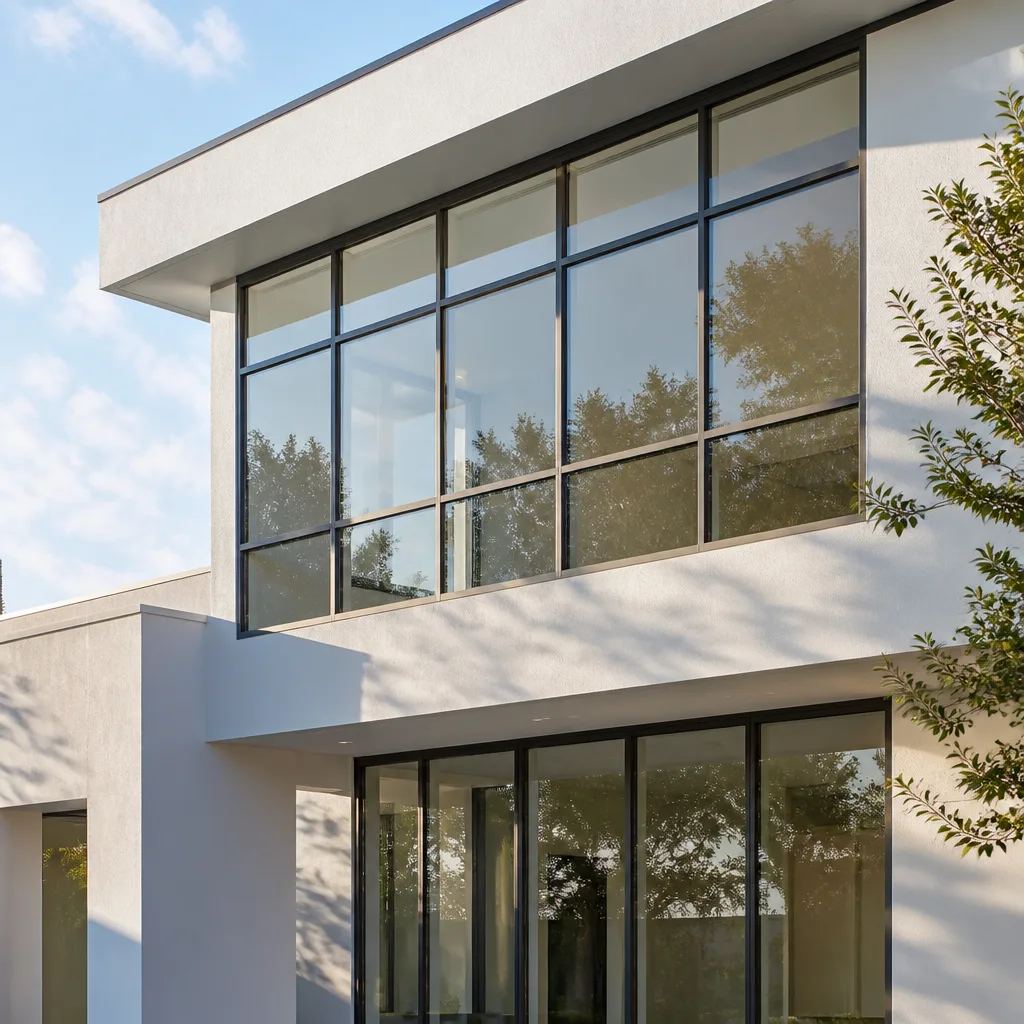
Every window and door replacement in Florida requires a permit under the Florida Building Code, with Broward County adding a second layer: product approval through the Miami-Dade Notice of Acceptance (NOA) database or equivalent Broward documentation. A proper application includes the manufacturer’s NOA, installation instructions, wind load calculations for your specific parcel, and proof of licensed contractor status. Three inspections follow - framing, rough-in, and final - with failure at any stage requiring correction before the Certificate of Occupancy or completion certificate is issued.
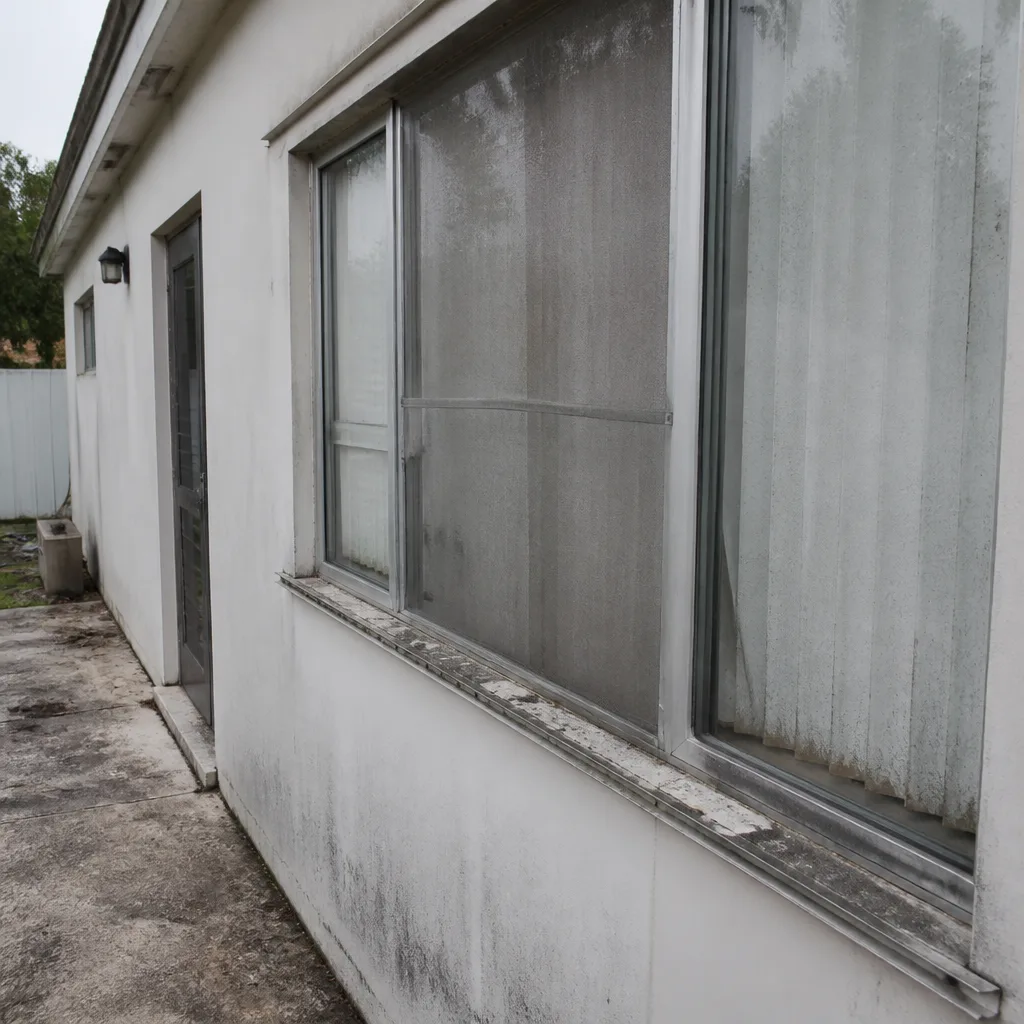 Before
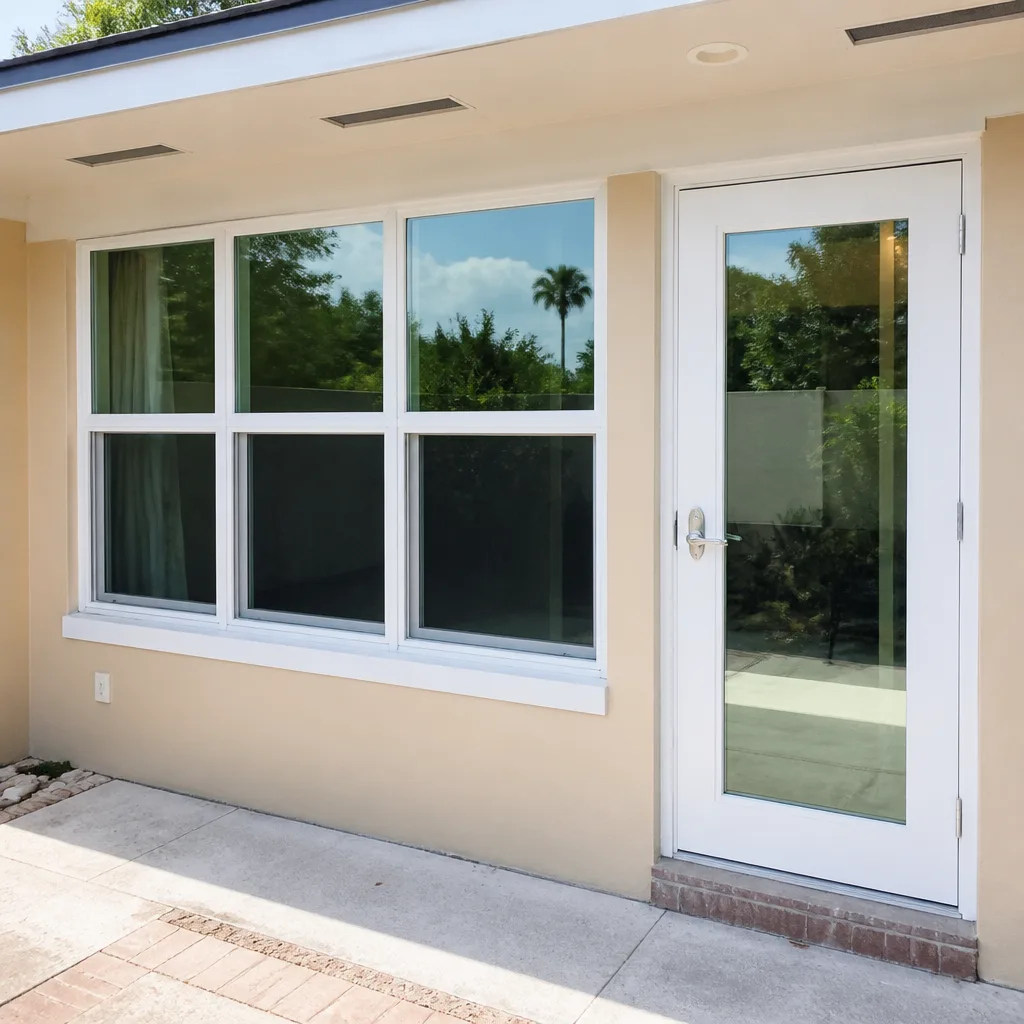 After
AfterTable of Contents
- The Two-Layer System: Florida Building Code vs. Broward County Requirements
- What Is a Notice of Acceptance (NOA) and How to Read It
- Is Lauderdale Lakes in the High-Velocity Hurricane Zone?
- What a Compliant Permit Application Actually Includes
- The Three Broward Inspection Stages: What Inspectors Check
- How Unpermitted Work Gets Discovered and the Retroactive Permit Process
- Permit Costs, Timeline, and What Delays Projects in Lauderdale Lakes
- Common Mistakes to Avoid
- When to Call a Professional
- Frequently Asked Questions
- The Bottom Line
The Two-Layer System: Florida Building Code vs. Broward County Requirements

Florida operates under a statewide building code, but Broward County does not simply defer to Tallahassee. The Florida Building Code (FBC) sets baseline wind load requirements, egress standards, and energy efficiency mandates for all window and door installations. Every product installed in the state must meet FBC Chapter 16 for structural loads and Chapter 24 for glazing and glass requirements. That sounds straightforward until you reach the county counter.
Broward County maintains its own product approval system that runs parallel to, and occasionally exceeds, the state standard. A window or door with a Florida Product Approval (FPA) number satisfies the FBC. That same product may still fail Broward’s review if it lacks a Miami-Dade Notice of Acceptance (NOA) or a Broward-specific equivalence letter. We’ve seen this conflict stall permit issuance for homeowners who purchased impact-rated windows online, confirmed the FPA number, and arrived at the Broward permitting office with documentation that satisfied state law but not county practice. These are the Windows & Doors Warning Signs: A Lauderdale Lakes Homeowner’s Reference Guide we urge buyers to review before purchasing.
The conflict arises from historical precedent. After Hurricane Andrew in 1992, Miami-Dade and Broward developed the most rigorous product testing protocols in the nation. When the FBC was unified in 2001 and strengthened after subsequent hurricanes, those two counties retained supplemental approval layers rather than folding entirely into the state system. For installers working in Lauderdale Lakes, this means every product specification sheet gets checked twice: once against FBC tables, once against the Miami-Dade NOA database or Broward’s approved alternate list.
Where the two systems most commonly diverge is in installation limitation tables. The FPA might approve a window for installation in concrete block walls up to 10 feet in height. The NOA for the identical product might limit that same installation to 8 feet unless additional anchoring is specified. An inspector in Lauderdale Lakes will check the NOA table, not the FPA, when the permit package cites Miami-Dade approval. The discrepancy is not a clerical error. It is the working reality of a dual-layer system that has governed every installation we’ve completed since 2012.
Homeowners in neighborhoods like St. George, West Ken Lark, and the parcels along State Road 7 should understand that their specific location within Broward affects which wind speed map governs their project. The FBC references ASCE 7 wind speed contours. Broward’s implementation adds exposure category adjustments for developed areas with surrounding structures versus open terrain. A two-story home on a corner lot in Lauderdale Lakes may face higher design pressure requirements than an identical home one block inland with neighboring structures on three sides. Our measured surveys document these site-specific conditions because the permit application must reflect them accurately.
What Is a Notice of Acceptance (NOA) and How to Read It
A Notice of Acceptance is a document issued by the Miami-Dade County Building Code Compliance Office (BCCO) certifying that a specific window, door, or glazing system has passed missile impact, cyclic pressure, and structural load testing for High-Velocity Hurricane Zone conditions. It is not a generic rating. It is a product-specific engineering report with installation boundaries that dictate exactly where and how that product may be used.
The NOA lookup is public: miamidade.gov/bcc/search. Enter the manufacturer name or the NOA number, and the system returns the full document, typically 15 to 40 pages. Most homeowners never see past the first page, which states the product name and expiration date. The operative content lives in the installation limitation tables, usually found in Section 4 or 5 of the document.
Here’s how to read the table that determines whether your wall type is covered:
- Locate the “Application” or “Installation Limitations” section. This lists approved wall types: wood frame, concrete block, steel stud, or combinations thereof.
- Find the design pressure rating for your opening size. NOAs list maximum allowable dimensions for each pressure level. A window rated for +60/-60 psf at 36 inches wide may drop to +50/-50 psf at 48 inches wide.
- Check the anchoring schedule. The table specifies fastener type, diameter, embedment depth, and spacing. Using a 1/4-inch Tapcon where a 3/8-inch wedge anchor is required voids the installation.
- Verify the mullion and joining details. Multiple windows mulled together have different structural limits than single units. The NOA shows approved mullion kits and their span limitations.
- Confirm the expiration date. NOAs expire, typically after five years, though renewals are common. An expired NOA with pending renewal status may or may not be accepted by Broward, depending on staff interpretation at the time of permit review.
We’ve encountered homeowners in Lauderdale Lakes who purchased PGT or CGI products with valid NOAs but failed inspection because the installer used anchoring from an older revision of the same NOA. The BCCO issues revision letters - Rev A, Rev B - and the inspector checks the revision date on the permit package against the date stamped on the installation instructions left at the job site. This is why Sightline maintains a digital archive of every NOA revision for every product we specify, including Mr-Glass and Therma-Tru lines. The measured survey we provide includes the NOA number, revision, and page reference for each opening.
The installation limitation table also addresses what the NOA does not cover. Common exclusions include installations above 30 feet without engineered drawings, retrofits into existing frames without full removal (pocket installations), and applications where the window sill sits below finished grade. These exclusions are where unpermitted work most frequently occurs, and where insurance adjusters look first when investigating storm damage claims.
Is Lauderdale Lakes in the High-Velocity Hurricane Zone?
Yes. All of Broward County, including Lauderdale Lakes, lies within the High-Velocity Hurricane Zone (HVHZ) as defined by FBC Section 2002. This designation triggers the most stringent product testing and installation requirements in the United States. Every window and door installed in Lauderdale Lakes must be impact-rated or protected by an approved shutter system, with product ratings derived from actual missile impact testing at 34 meters per second followed by 9,000 pressure cycles.
The HVHZ boundary follows a precise geographic line. South of the Broward-Palm Beach county line and east of Interstate 75, the zone encompasses all incorporated and unincorporated areas. For Lauderdale Lakes specifically, this means every parcel - from the single-family homes north of Oakland Park Boulevard to the multi-family developments near the Swap Shop - faces identical product rating floors. There are no HVHZ exemptions based on building age, zoning district, or prior storm history.
The product rating floor for HVHZ installations is a design pressure that corresponds to the basic wind speed of 175 mph (three-second gust) for Risk Category II buildings, which includes most residential construction. This translates to minimum design pressures that vary by building height and exposure:
- Single-story homes in developed neighborhoods like Eden Wood or Lakeview Gardens: typically +40/-50 psf for typical window sizes
- Two-story homes or corner lots with increased exposure: +50/-60 psf or higher
- Homes on parcels with open terrain or water exposure: exposure category adjustments may add 15-20% to base pressures
What this means in practice: a window rated for Florida’s non-HVHZ regions at +35/-40 psf cannot legally be installed in Lauderdale Lakes, even if it carries a Florida Product Approval. The product must have HVHZ-specific testing documented in its NOA or FPA with explicit HVHZ approval language. We’ve reviewed competitor quotes where non-HVHZ-rated products were specified for Lauderdale Lakes openings. The permit would not issue, and if installed without permit, the installation would fail inspection and potentially void insurance coverage.
The HVHZ designation also affects garage door installations, a category many homeowners overlook. Impact-rated garage doors in HVHZ must meet ANSI/DASMA 115 testing, with product-specific NOAs showing missile impact resistance for the complete door assembly, not just the panel. Therma-Tru and other manufacturers we specify provide HVHZ-rated garage door systems with complete assembly documentation, not component-only ratings that leave the installation unverified.
What a Compliant Permit Application Actually Includes
A window or door permit application in Broward County requires specific documents in specific formats. Missing any one item triggers a correction notice, and the review cycle restarts. Here’s what the package contains, based on our permit submissions for Lauderdale Lakes properties:
- Completed permit application form. Broward County uses a unified application for residential alterations. The property owner name must match the tax roll exactly; discrepancies between deed and application are a common rejection cause.
- Two sets of plans, minimum 11×17 inches. Plans must show each opening with dimensions, product designation, and structural details. Window schedules listing manufacturer, model, size, and NOA number are required for every unit.
- Manufacturer’s installation instructions. These must be the specific revision cited in the NOA, not generic catalog pages. Instructions must be left on-site for inspector reference.
- Notice of Acceptance (NOA) or Florida Product Approval with Broward equivalence. For HVHZ installations, the NOA is standard. The NOA must be unexpired or accompanied by renewal documentation.
- Wind load calculations. Prepared by a Florida-licensed engineer or by the contractor using approved prescriptive methods. Calculations reference ASCE 7-16 (or current adopted version) and account for building height, exposure category, and topography.
- Energy compliance documentation. FBC energy conservation chapter requires U-factor and SHGC ratings for all fenestration. Prescriptive compliance paths or performance-based modeling (REScheck or equivalent) must be shown.
- Licensed contractor information. The contractor’s state license number, insurance certificate, and workers’ compensation exemption or coverage documentation. Broward verifies license status electronically, but the paper copy must accompany submission.
- Homeowner authorization. If the property owner is not the permit applicant, a notarized authorization letter is required. This applies to tenants, property managers, and family members arranging work.
- Homeowner’s association approval, if applicable. Many Lauderdale Lakes communities, including condominium associations along Northwest 31st Avenue and townhome complexes near Somerset Drive, require architectural review before permit submission. Broward does not enforce HOA rules, but the permit application asks for HOA contact information, and some jurisdictions require a copy of approval.
- Tree protection affidavit, for certain zoning districts. If the property has protected specimen trees and the work involves equipment access that could affect critical root zones, this affidavit is triggered during plan review.
The application is submitted to the Broward County Permitting and Licensing Division, either at the Governmental Center in Fort Lauderdale or through the online portal. Residential window and door permits typically route to a plans examiner with structural and energy specialties. Review time averages 10 to 15 business days for complete packages, with corrections adding 5 to 10 business days per cycle.
We’ve refined our application preparation through Haven Clause 1 - Have it in writing - which means the permit package is assembled from the same measured survey the customer receives. The window schedule on the permit matches the written quote exactly. No substitutions occur between permit submission and material order without written change documentation. This eliminates the mismatch between approved plans and installed products that causes final inspection failures.
The Three Broward Inspection Stages: What Inspectors Check

Broward County requires three inspections for window and door replacements, with specific checklist items at each stage that most homeowners never see until a failure notice appears. Understanding what the inspector verifies allows preparation that prevents callbacks.
Stage 1: Framing Inspection
The framing inspection occurs after existing windows or doors are removed and rough openings are prepared, but before new units are installed. The inspector verifies:
- Opening dimensions match permitted plans within 1/4 inch
- Structural members are not cut, notched, or damaged beyond code limits
- Lintel or header capacity is adequate for the span, with proper bearing on supporting walls
- Flashings are in place at sill and head, with proper lap sequences
- Water-resistive barrier continuity is maintained around the opening
In Lauderdale Lakes, where much of the housing stock was built between 1960 and 1985, we frequently encounter original steel windows set in concrete block with integrated lintels. Removal requires care to preserve lintel integrity. The framing inspector checks for cracks or displacement in these original structural elements. If damage occurred during removal, engineered repair details must be submitted before the inspection passes.
Stage 2: Rough-In Inspection
The rough-in inspection occurs with new units in place but before interior trim and exterior cladding are completed. This is the most detailed inspection, with the inspector checking:
- Product labels are visible and match the NOA: manufacturer, model, dimensions, and design pressure rating
- Fastener type, size, spacing, and embedment match the NOA installation limitation table
- Shim placement and fastening per manufacturer’s instructions
- Sealant application at interior and exterior perimeters, with proper backer rod and joint dimensions
- Flashing integration with weather-resistive barrier, including proper shingle-style laps
- Operable units function: sashes open, close, and lock; hardware engages fully
- Egress compliance: minimum clear opening width and height for emergency escape windows
The rough-in inspection is where most failures occur. Common issues in our Lauderdale Lakes experience include: fasteners driven at angles that reduce embedment depth; sealant applied over dust or debris that prevents adhesion; and operable sashes that bind because the frame was not shimmed plumb. Our crews document each fastening with photos before trim covers the evidence, creating the photo record that supports the Haven Standard.
Stage 3: Final Inspection
The final inspection occurs after all trim, cladding, and finishes are complete. The inspector verifies:
- Completed installation matches approved plans and rough-in inspection notes
- Interior and exterior finishes are properly sealed to the frame
- No damage to product or surrounding construction
- Cleanup and safety: no debris, exposed fasteners, or hazardous conditions
- Permit card is signed and dated, ready for Certificate of Completion issuance
Passing final inspection triggers the Certificate of Completion, which is required for insurance documentation and property sale. In Broward, this certificate is electronic and links to the property’s permit history. A prospective buyer’s title search or 4-point inspection will reveal whether window and door work was properly permitted and finalized.
How Unpermitted Work Gets Discovered and the Retroactive Permit Process
Unpermitted window and door installations in Florida are discovered through multiple channels, and the consequences extend beyond municipal fines to insurance coverage and property marketability.
Insurance inspections. After named storms, insurers deploy adjusters who verify permit status for any damaged opening. If the window or door was replaced without permit, the adjuster may deny the claim under policy riders that exclude unpermitted alterations. We’ve reviewed denials where homeowners paid $15,000 to $25,000 out of pocket for storm damage that would have been covered had the prior installation been permitted.
4-point inspections for property sale. Florida insurers require 4-point inspections (roof, electrical, plumbing, HVAC) for homes over 30 years old, and many lenders add wind mitigation inspections that examine opening protection. Inspectors check permit history against visible work. New windows in a 1970s home with no corresponding permit trigger flags that delay closing.
Neighbor complaints and code enforcement sweeps. Construction activity visible from the street, especially dumpster placement or contractor vehicles, generates complaints. Broward County Code Compliance responds to complaints with site visits and permit history checks. Fines start at $250 per day for active unpermitted work, with stop-work orders that freeze the project.
Property appraisals and tax assessments. Significant improvements discovered during reassessment can trigger back taxes and penalties if the improvement was not permitted at the time of completion.
The retroactive permit process in Broward requires:
- Application for a retroactive permit, with higher fees than original permits
- Exposure of installed work for inspector verification - interior trim and exterior cladding must be removed
- Engineer evaluation if the installation cannot be fully exposed or if structural elements are involved
- Correction of any deficiencies found, which may require complete removal and reinstallation
- Payment of fines, typically $500 to $2,500 depending on duration and scope of unpermitted work
- Final inspection and certificate issuance
Retroactive permits cost two to four times the original permit fee, plus the cost of exposing and potentially reinstalling work. In Lauderdale Lakes, where many homes have stucco exteriors, exposure requires cutting and patching that adds material and labor costs beyond the permit penalties. The economics strongly favor permitting before installation.
Permit Costs, Timeline, and What Delays Projects in Lauderdale Lakes
Permit costs in Broward County follow a fee schedule based on project valuation, with minimums for residential alterations. For typical window and door replacement projects in Lauderdale Lakes:
| Project Type | Estimated Permit Fee | Plan Review Time | Typical Total Timeline |
|---|---|---|---|
| Single window replacement | $85 – $150 | 5 – 10 days | 2 – 3 weeks |
| Whole-home window replacement (10-15 units) | $250 – $450 | 10 – 15 days | 4 – 6 weeks |
| Patio door replacement | $120 – $200 | 5 – 10 days | 2 – 3 weeks |
| Impact garage door replacement | $150 – $250 | 10 – 15 days | 3 – 4 weeks |
| Custom or geometric window installation | $200 – $400 | 15 – 20 days | 5 – 8 weeks |
These fees exclude contractor licensing verification costs, which are annual expenses borne by the contractor, not the homeowner. They also exclude potential impact fees for properties where the cumulative improvement value triggers county thresholds, though this is rare for window and door replacements alone.
Timeline delays in Lauderdale Lakes typically stem from:
- NOA discrepancies. Product substitutions between permit application and material delivery require plan revision and re-review. We prevent this by locking specifications at the measured survey stage.
- HOA approval delays. Architectural committees in Lauderdale Lakes communities meet monthly or quarterly. Missing a meeting date pushes the project by weeks.
- Engineer involvement. Non-standard conditions - large openings, structural wall modifications, or historical building features - require engineer-stamped details that add 1 to 2 weeks.
- Inspector availability. Peak season (January through May, pre-hurricane season) stretches inspection scheduling. Broward offers online inspection scheduling, but next-day slots fill quickly.
- Correction cycles. Each failed inspection requires re-inspection, with fees and scheduling delays. Our documented photo record and pre-inspection internal review minimize these occurrences.
The window installation in Lauderdale Lakes process we follow builds permit timeline into the project schedule. Customers receive a written timeline with permit submission date, expected issuance, inspection windows, and completion target. This schedule is part of the same document as the price - no separate timeline promises that could diverge from the written scope.
Common Mistakes to Avoid
- Assuming online purchases include permit documentation. Retail and direct-ship window sellers often provide only the product. The NOA, installation instructions, and engineering must be sourced separately, and many homeowners discover this gap at the permit counter.
- Matching FPA numbers without checking HVHZ status. A Florida Product Approval does not automatically include High-Velocity Hurricane Zone rating. The document must explicitly state HVHZ approval, or Broward will reject the application.
- Ignoring exposure category adjustments. Corner lots, end units, and properties near open water in Lauderdale Lakes face higher design pressures than standard tables suggest. Using prescriptive tables without site-specific adjustment leads to under-specified products that fail inspection.
- Permitting only some openings. Homeowners sometimes permit visible street-facing windows while skipping rear or side units to save fees. This creates permit history gaps that appear in future inspections and voids insurance coverage for unpermitted openings.
- Using expired NOAs without renewal confirmation. NOA expiration dates are checked at plan review. An expired NOA with a renewal in process may be accepted, but the applicant must provide BCCO correspondence confirming active renewal status.
- Failing to leave installation instructions on-site. Inspectors reference these documents during rough-in inspection. Removing them after installation prevents verification and can trigger re-inspection requirements.
- Neglecting the final inspection. Some contractors consider the job complete after rough-in passes, leaving the homeowner to schedule final inspection. Unfinalized permits remain open in county records, blocking future permits and clouding title.
When to Call a Professional
Permit navigation becomes essential when your project involves impact-rated products, HVHZ compliance, or any structural modification to the opening. If you’re replacing windows in a pre-1990s Lauderdale Lakes home with original steel or aluminum frames, the rough opening likely requires reframing, lintel verification, and potential engineering that falls outside handyman scope. Similarly, converting a window to a door, installing a new patio door where none existed, or specifying custom geometric shapes triggers plan review categories that benefit from contractor experience with the Broward system. Not sure whether to tackle it yourself? Our DIY vs Professional Windows & Doors: The Lauderdale Lakes Homeowner’s Decision Guide breaks down when to call in licensed help.
Sightline Windows & Doors Lauderdale Lakes offers free estimates in Lauderdale Lakes - call (754) 240-8381 - and publishes more guides & resources on permitting, product selection, and installation standards. Every estimate includes a measured survey you keep, a written price that matches the permit application, and specification of products with current NOAs from our verified manufacturer lines. We pull permits as standard practice, not as an add-on service, and our license numbers are provided before any crew arrives at your door under Haven Clause 3.
Frequently Asked Questions
Yes. Every window and door replacement in Lauderdale Lakes requires a permit under the Florida Building Code and Broward County amendments. This includes like-for-like replacements where the dimensions and product type remain unchanged. Call (754) 240-8381 for an exact quote on your project - estimates are free.
Residential window permits in Broward typically range from $85 for a single unit to $450 for whole-home replacements, based on project valuation. Fees are published in the Broward County Permitting Fee Schedule and do not include re-inspection charges for failed inspections. Call (754) 240-8381 for an exact quote - estimates are free.
Probably not. Most Florida homeowner policies contain riders that exclude coverage for unpermitted alterations, and adjusters verify permit status after named storms. The exclusion applies to damage at the unpermitted opening and potentially to consequential damage if the opening failure contributed to broader structural loss.
Plan review typically takes 10 to 15 business days for complete applications, with three inspection stages following permit issuance. Total timeline from application to certificate of completion ranges from 2 to 6 weeks depending on project scope and inspection scheduling. HOA approval, if required, adds time before permit submission.
Florida Product Approval (FPA) is the statewide certification under the Florida Building Code. Notice of Acceptance (NOA) is the Miami-Dade/Broward County supplemental approval with additional HVHZ testing. For Lauderdale Lakes installations, the NOA is typically required, and the installation must comply with the NOA’s specific limitation tables, not just the FPA.
Broward County requires window and door installations to be performed by a state-licensed contractor. Owner-builder permits are available for homeowners acting as their own contractor, but this route carries liability for workers’ compensation coverage, code compliance, and inspection scheduling that most homeowners underestimate. The permit application requires contractor license information; handyman services without proper licensing cannot be named on the permit.
The Bottom Line
Florida’s window and door permit system has two active layers: the Florida Building Code and Broward County’s supplemental requirements, with the High-Velocity Hurricane Zone designation adding product rating floors that exceed most national standards. A compliant installation requires current NOA documentation, wind load calculations specific to your parcel, and passage through three inspection stages with documented evidence at each step. Unpermitted work risks fines, insurance denial, and property sale complications that far exceed the cost of proper permitting. For Lauderdale Lakes homeowners, the path to a permitted, inspected, and documented installation begins with a measured survey and written scope that locks specifications before permit submission - the same process that governs every window replacement in Lauderdale Lakes and door installation in Lauderdale Lakes we complete under the Haven Standard.
Written by Sonia Raman, Owner at Sightline Windows & Doors Lauderdale Lakes, serving Lauderdale Lakes since 2012.
Six Reasons Homeowners Choose Sightline Windows & Doors Lauderdale Lakes
Impact systems engineered to design pressures up to +/-100, matched to your wind zone - your openings hold when the storm arrives.
Low-E insulated impact glass from our manufacturer lines commonly cuts monthly cooling bills 20-30%.
Laminated impact glass shuts out up to 40% of outside noise - traffic, neighbors, weather.
Monitoring services run $30-90 a month. Laminated impact glass resists forced entry around the clock, with no subscription.
Florida homeowners average around 25% savings on the windstorm portion of their policy after protecting every opening - some homes qualify for more.
A full impact package upgrades curb appeal, buyer confidence and appraised value in one project.
Other Sightline Windows & Doors Lauderdale Lakes Services